Temporary pond threats
The main threats to temporary pond ecosystems are not yet well established in the scientific literature. To address this knowledge gap, the ResPond project has compiled all available evidence and consulted international experts to identify perceived threats that may be underrepresented in existing research. While the full results are currently under review, we present here several major threats for which there is both supporting evidence and scientific consensus:
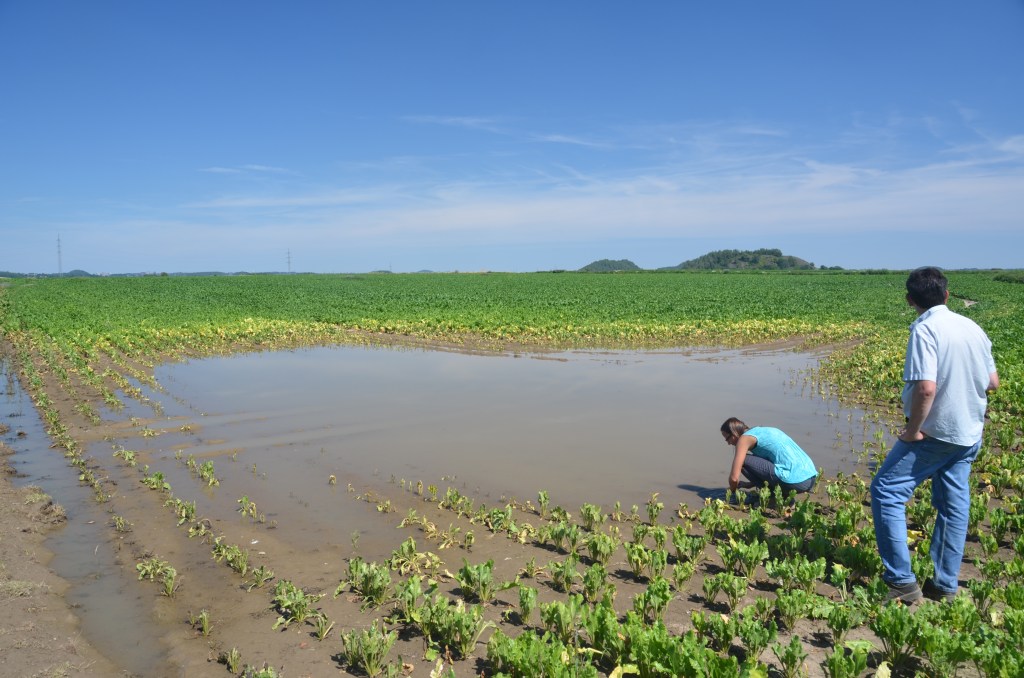
1. Agricultural intensification is typically associated with the removal of depressions from fields and meadows. As a result, temporary ponds disappear, and those that remain are often highly eutrophied and affected by pesticide runoff from surrounding land. In some cases, the ponds themselves are plowed and cultivated, as illustrated below by a temporary pond located at the edge of an agricultural field in Belgium. Although this pond was plowed, it still contained tadpoles of the natterjack toad, which, however, never reached maturity.
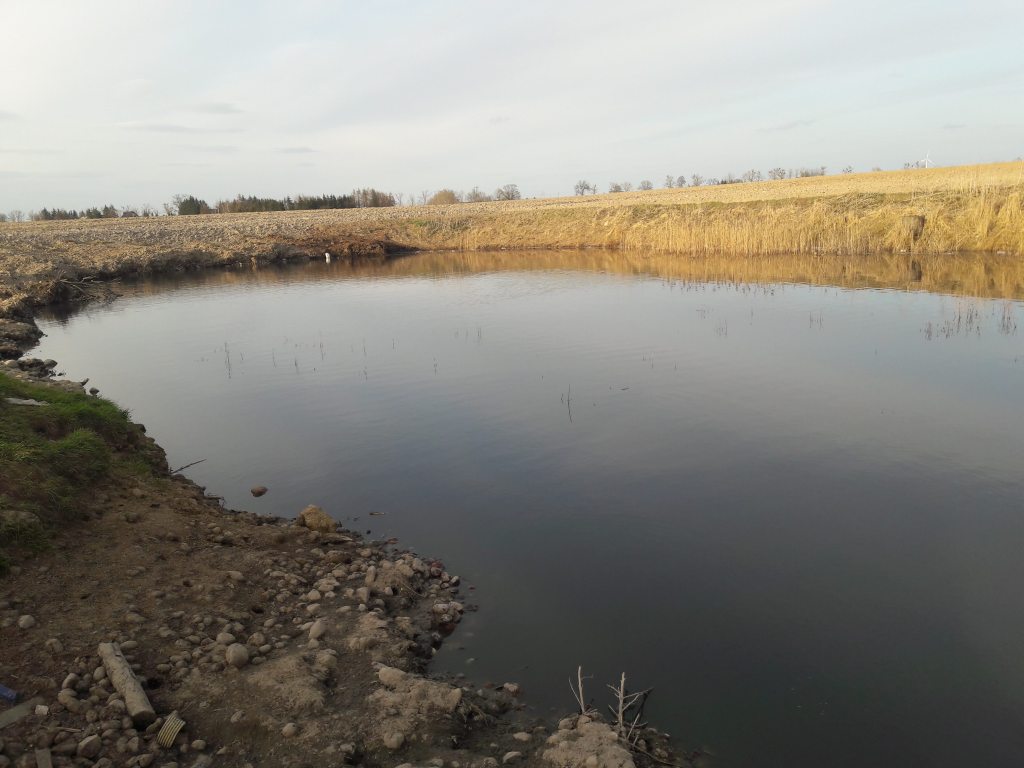
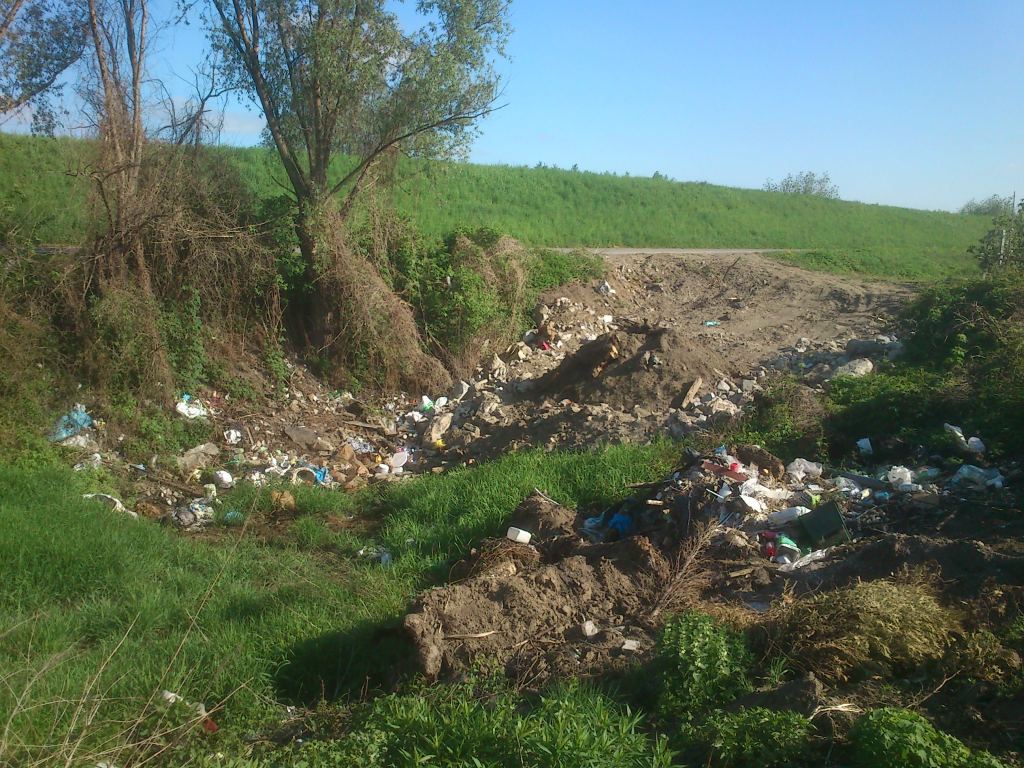
2. Habitat modification. Many temporary ponds are dredged to increase their depth, allowing them to retain water for longer periods. This practice can transform them into permanent water bodies, often making them suitable for fish for angling or fish farming. However, dredging removes the bank of dormant seeds and resting eggs that harbors much of the pond’s biodiversity. Furthermore, when a pond becomes permanent, its characteristic flora and fauna are often lost: many plant seeds require dry conditions to germinate, and typical temporary pond invertebrates cannot survive due to predation by fish. The photo shows a temporary pond in Kaźmierz, Poland, that has been dredged and deepened for fish rearing. Additionally, both natural and artificial depressions in the landscape are frequently used as dumping sites for garbage, soil, or construction debris, which contributes to the disappearance of temporary ponds.
3. Poor enforcement of legislation. Although some temporary ponds are legally protected, enforcement and implementation are often inadequate. Within the European Union, for example, Mediterranean Temporary Ponds are recognized as a priority habitat under the EU Habitats Directive (Natura 2000 code 3170), requiring member states to maintain them in a favorable conservation status. However, this protection only applies in countries that have formally declared the presence of this habitat type. In practice, only a limited number of member states—primarily Mediterranean countries and the United Kingdom—have done so. As a result, many temporary ponds in other regions, including Central and Northern Europe, remain unrecognized and unprotected under EU law, despite their ecological importance. Even in regions where these habitats are listed, monitoring is often infrequent, and land-use conflicts, lack of political will, and limited awareness among local authorities further undermine effective conservation.
In the United States, temporary wetlands may receive protection under the Clean Water Act if they are determined to have a significant nexus to navigable waters. However, their status has been the subject of legal and political debate, and recent changes to federal wetland protections have narrowed their coverage, leaving many temporary wetlands vulnerable to destruction. Protection often depends on state-level regulations, which vary widely in scope and enforcement.
In Australia, temporary wetlands such as ephemeral clay pans and floodplain depressions can fall under federal or state environmental legislation, particularly through the Environment Protection and Biodiversity Conservation (EPBC) Act. However, similar to other regions, many temporary wetlands lack formal designation and are not effectively protected unless they occur within designated conservation areas or support threatened species.
In South Africa, temporary wetlands may be indirectly protected under the National Environmental Management Act (NEMA) and water-related legislation, such as the National Water Act, which regulates activities affecting watercourses. However, temporary ponds often fall through the cracks of enforcement due to limited ecological data, insufficient mapping, and competing land-use priorities such as agriculture and urban expansion.
In all these regions, temporary ponds face a common challenge: their small size, seasonal nature, and dynamic hydrology make them easy to overlook in legal frameworks that prioritize permanent or more visible aquatic systems. Consequently, even when legal tools exist, these habitats are frequently underrepresented in conservation planning and vulnerable to degradation or outright loss.
 Temporary Ponds