Management of temporary ponds
Below we provide some guidelines for the management and restoration of temporary ponds. In the ResPond project we interviewed restoration practitioners throughout the EU to collect their insights into restoration of ponds and derive recommendations. You can find the paper published in the journal Restoration Ecology here.
- Dredging may be harmful! Although it is a common management practice for permanent ponds dredging (i.e. the removal of accumulated sediments and biomass) may be less suitable for temporary ponds. It also may not be necessary since the accumulated organic material may be oxidized during the dry period and lost to the atmosphere as carbon dioxide. When you dredge you may make the pond permanent facilitating fish establishment resulting in loss of biodiversity sensitive to fish predation. Sometimes dredging may be useful when there are conservation targets that require deeper water or long hydroperiods. In this case, it is important to leave some parts of the pond ‘undredged’. This preserves shallow water conditions with plenty of dead organic matter some species require and sediment with drought resistant life stages for recolonization. It can be useful to temporarily remove and reintroduce the top 5 cm layer of sediment where most of the dormant life stages reside.
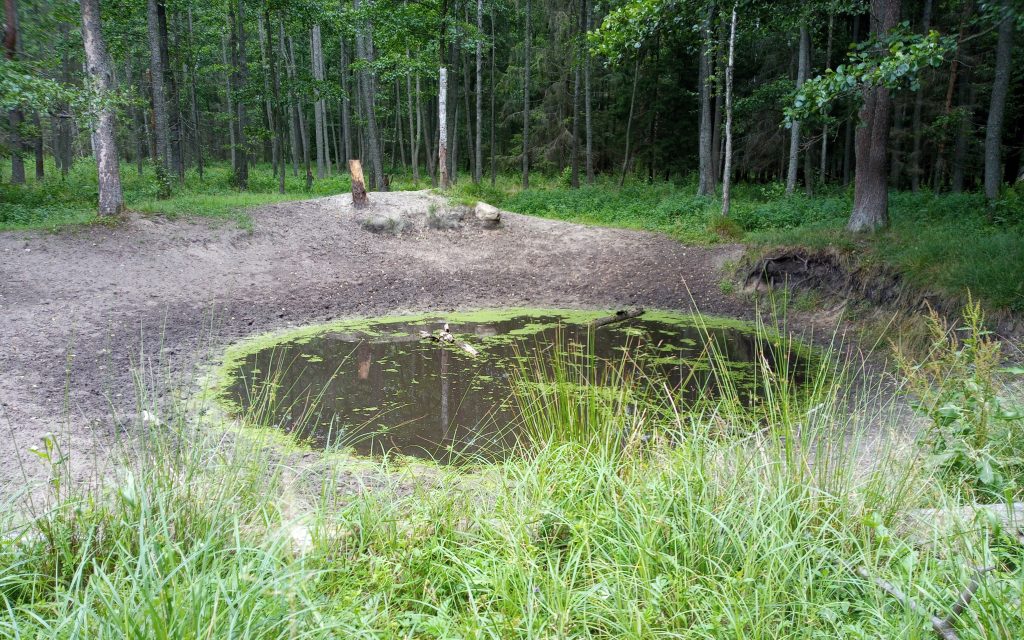
- Shade is not necessarily a bad thing! Shaded ponds and ponds in half shade or full sun can have a different but complementary biodiversity. Tree shade and leaf litter input may alter the food web of temporary ponds and the water chemistry and, in turn promote different communities. Aim for a mixture of ponds embedded in different biotopes & landscape contexts (e.g. in forests, grasslands, heathlands) to maximize heterogeneity in conditions and thus biodiversity.
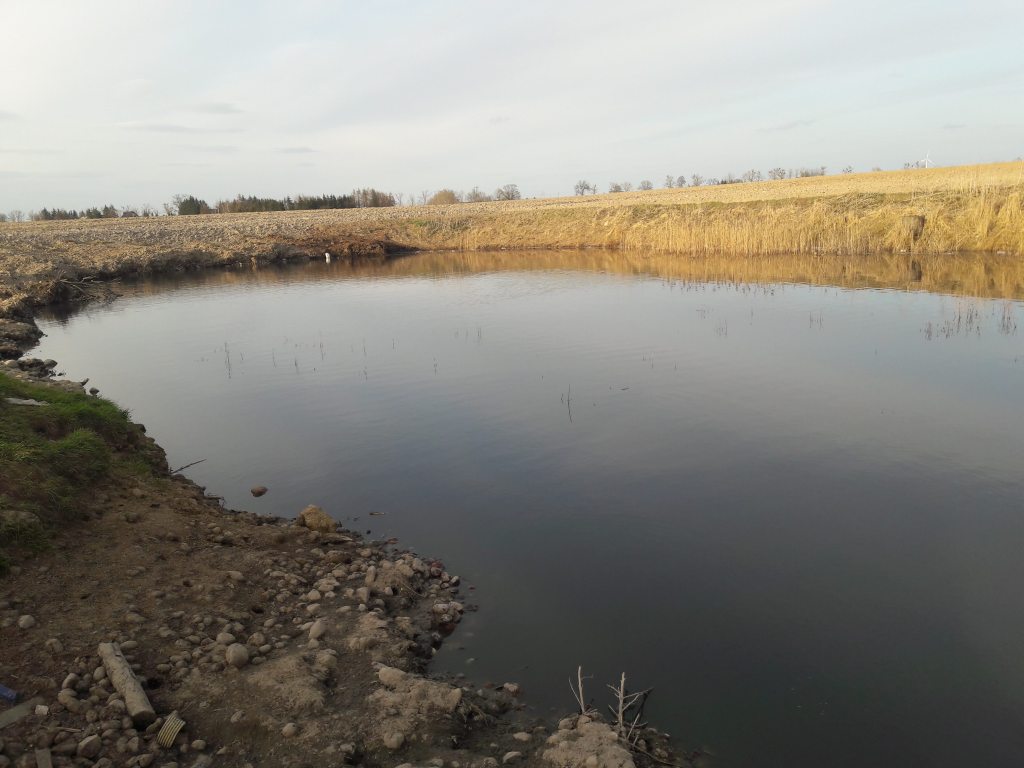
- Even very shallow ponds may be valuable.Although sometimes aesthetically unpleasing, shallow ponds and ditches that are often filled with dead leaves and decaying organic matter can be prime habitat for certain organisms such as water beetles. Many amphibians also preferentially deposit their eggs in shallow ponds where there are less predatorsn, abundant food and warmer water that may enable rapid larval development.
- Create clusters of ponds, not single ponds! Too often, pond creation involves a long preparatory process and the eventual creation of less than a handful of ponds in the sites where pond creation is deemed to be most successful. Even then, the efforts are sometimes unsuccessful because ponds do not contain water long enough or become permanent. We argue for ‘strength in numbers’. If you dig several pools in different locations chances are some will be excellent for some species while others may be useful for others. If you have hired a digger it’s better to make use of it and create as many ponds as logistically feasible.
- Don’t create one type of pond but make different depths and sizes! Often, pond restoration projects target a single emblematic species of specific conservation concern. This stimulates the creation of a single ‘pond type’ that is deemed to be ideal for a certain species. However, we argue that it is better to not limit pond construction to a single idealized type but complement these with a whole range of ponds with different depths and sizes. This buffers against the risk that the idealized pond ends up to be sub-optimal (e.g. despite all prior research, it does not hold water) and maximizes collateral benefits for other species.
- If you can, spread out pond management and creation over time. This maximizes variation in succession promoting total biodiversity in a pondscape. Ideally a landscape contains a good mixture of new and old ponds including ponds that may disappear as they fill up with sediment.
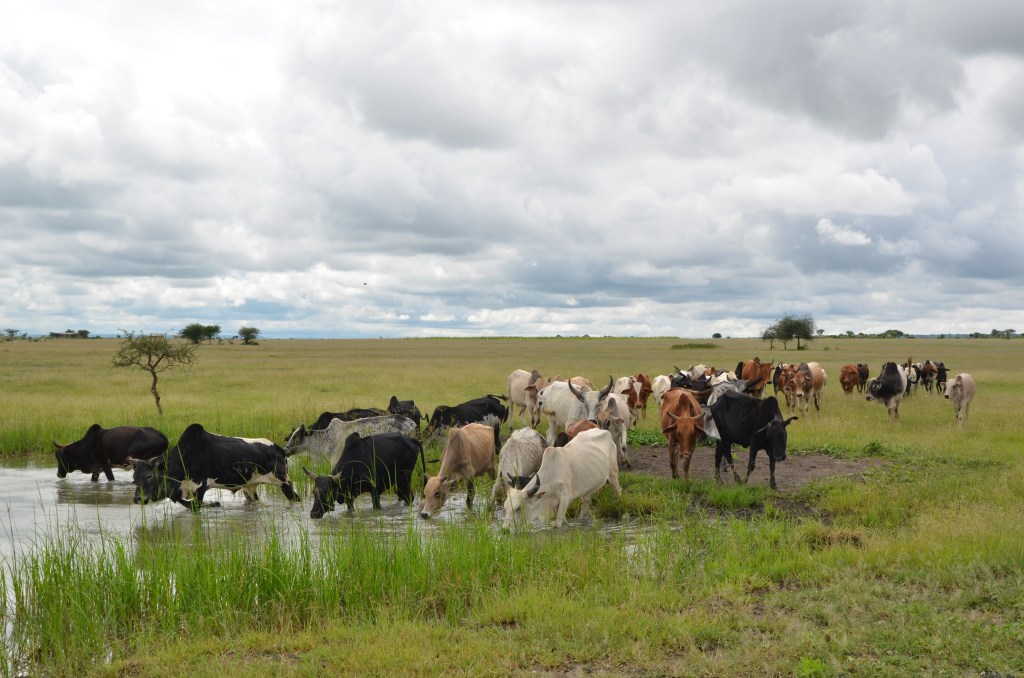
- Access to wildlife and livestock can be beneficial. Many large mammals (e.g. elephants, boars, buffalo, ) can engage in mud wallowing or take dust baths in dry pond basins (e.g. horses), deepening the pond basins in the process and preventing them from silting up. Grazing herbivores can help to create habitat heterogeneity within pools e.g. by removing aquatic and terrestrial vegetation in the parts of the pond they can access and may transport seeds of wetland plants and dormant eggs of freshwater crustaceans such as water fleas and fairy shrimp. However, when too many animals visit temporary ponds this can lead to eutrophication and oxygen deprived conditions. High quality temporary ponds are common in areas with pastoralism but unlikely in small plots of land with a high density of livestock where pressure in the form of disturbance and eutrophication is continuous.
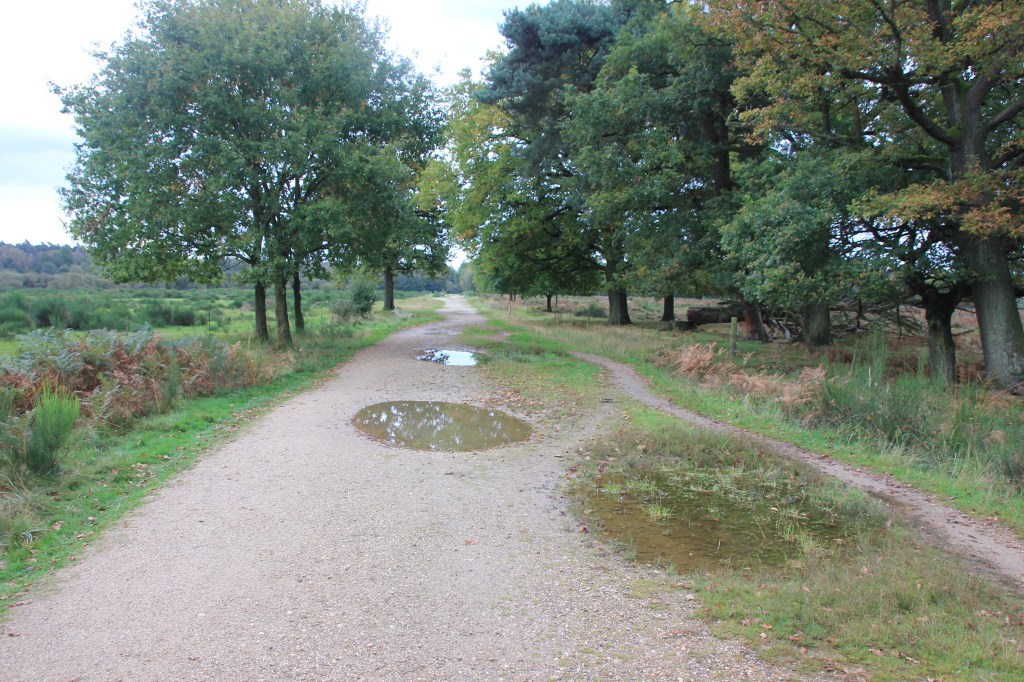
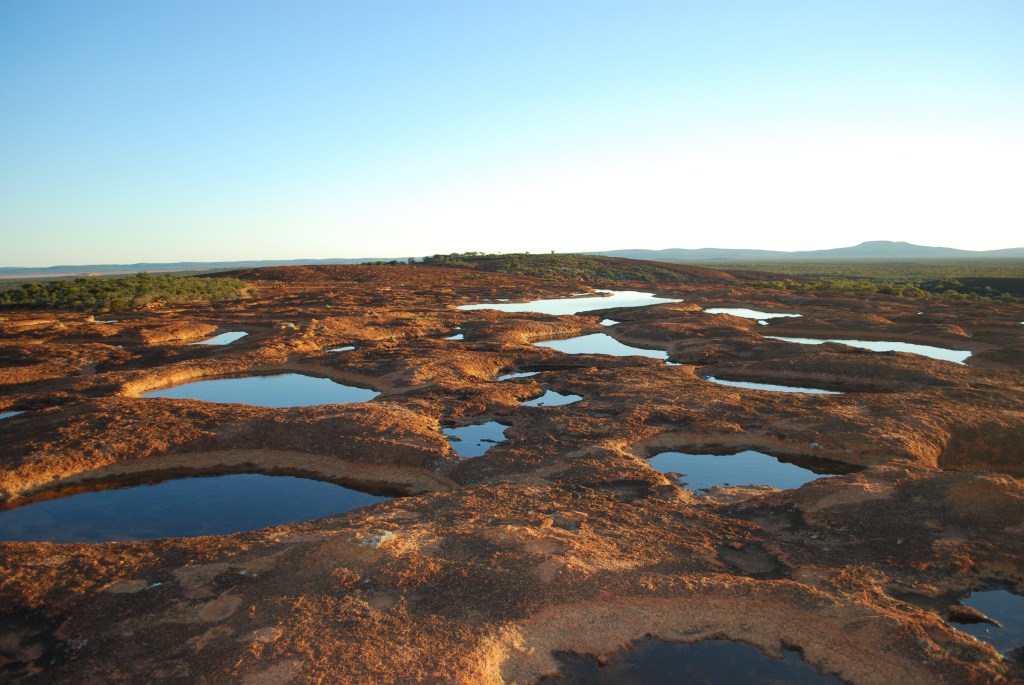
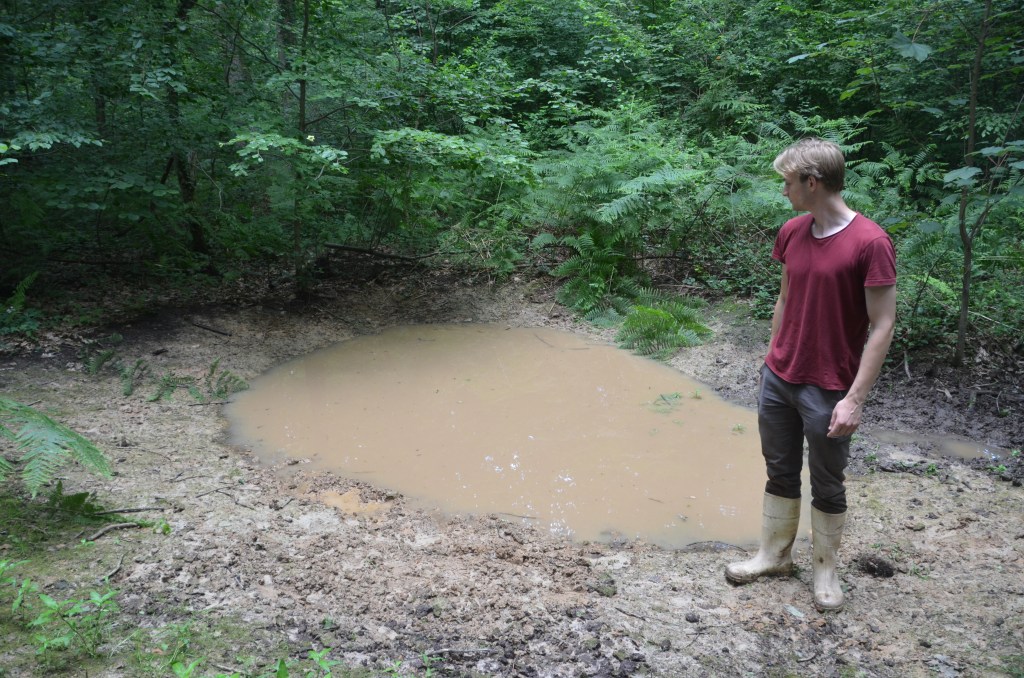
These recommendations are very consistent with ideas already presented in a 1994 paper by Jeremy Biggs and colleagues who listed 9 major misconceptions about ponds .
They formulated four main rules of thumb for pond management which apply to both permanent and temporary ponds and embrace the tene quod bene principle: if the system currently supports your conservation targets, it is probably best not to touch it.
- Make the most of existing habitats
- Avoid that all ponds look the same
- Do not suddenly change the management regime
- Create or maintain buffer zones where possible
 Temporary Ponds