
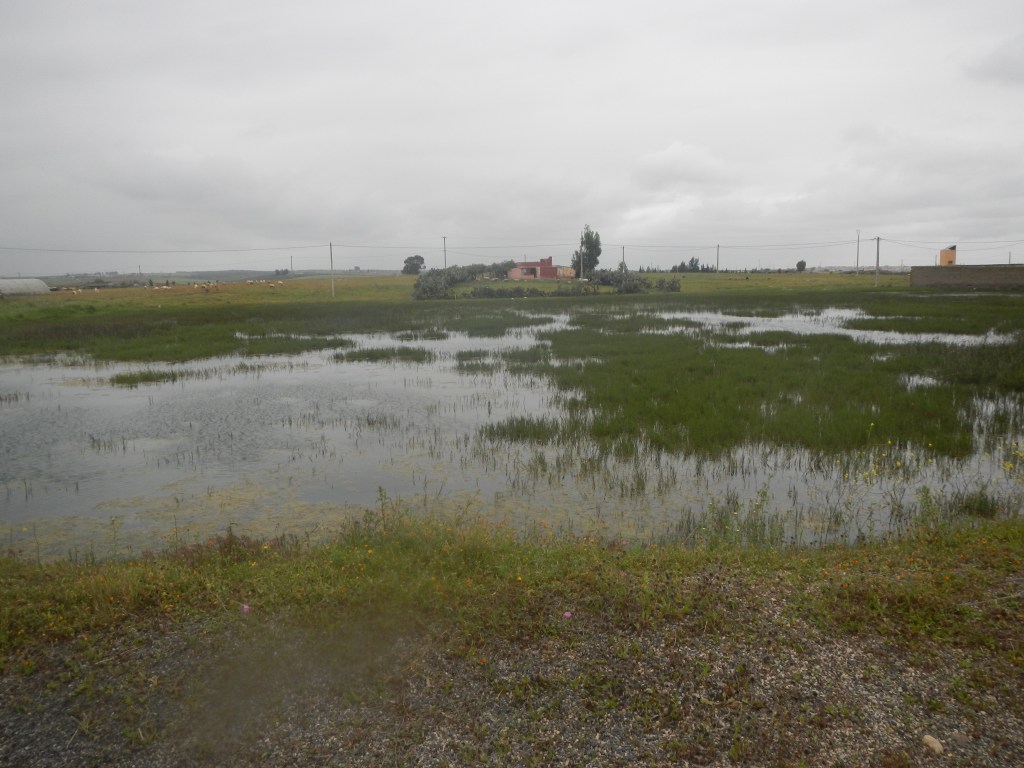
Temporary ponds can be found in all global terrestrial biomes from the arctic to the tropics. Below we provide some examples of temporary ponds from different parts of the world.
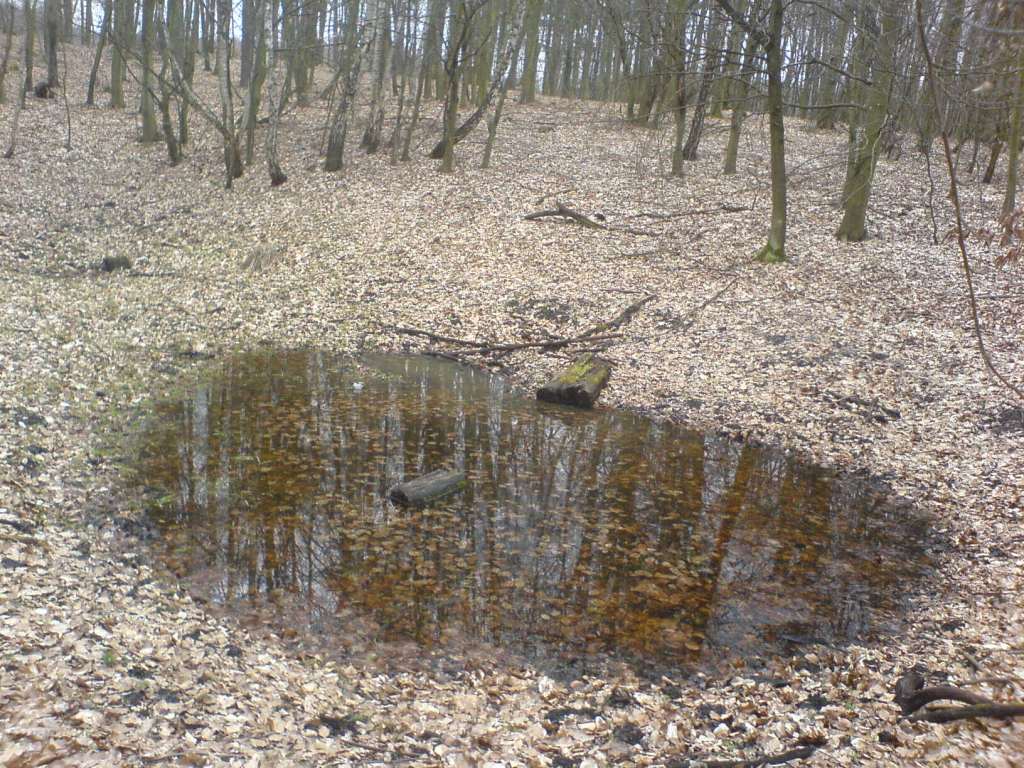
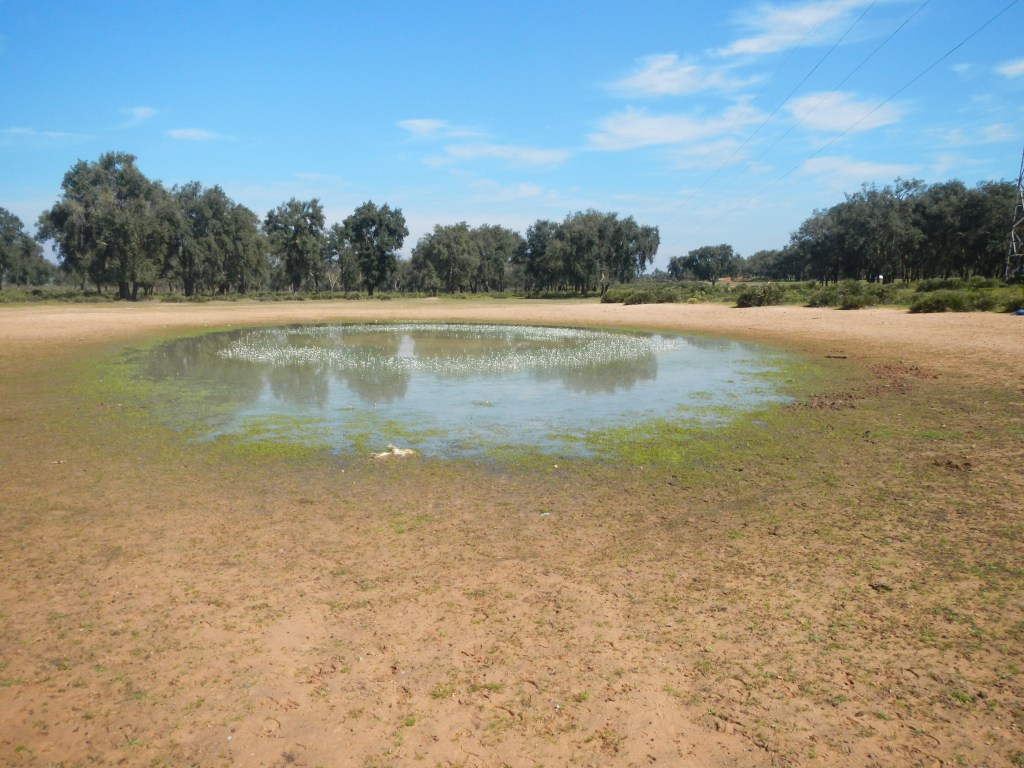
Temporary ponds commonly occur both in forests and more open landscapes and this is reflected both in the environmental conditions they provide and in the structure of their foodwebs. If there is tree cover, the shade and leaf litter can result in a food web where primary production is limited. In Western Europe the cool water of forest pools is preferred by certain amphibians like the fire Salamander (Salamandra salamandra). Many water beetles enjoy these organic enriched conditions. In more open ponds, the ecosystem will be driven by primary productivity with macrophytes and phytoplankton. The warmer waters are preferred by many other amphibians such as the smooth newt (Lissotriton vulgaris). More research is needed to confirm how surrounding vegetation and tree cover affects (temporary) pond communities and ecosystems.
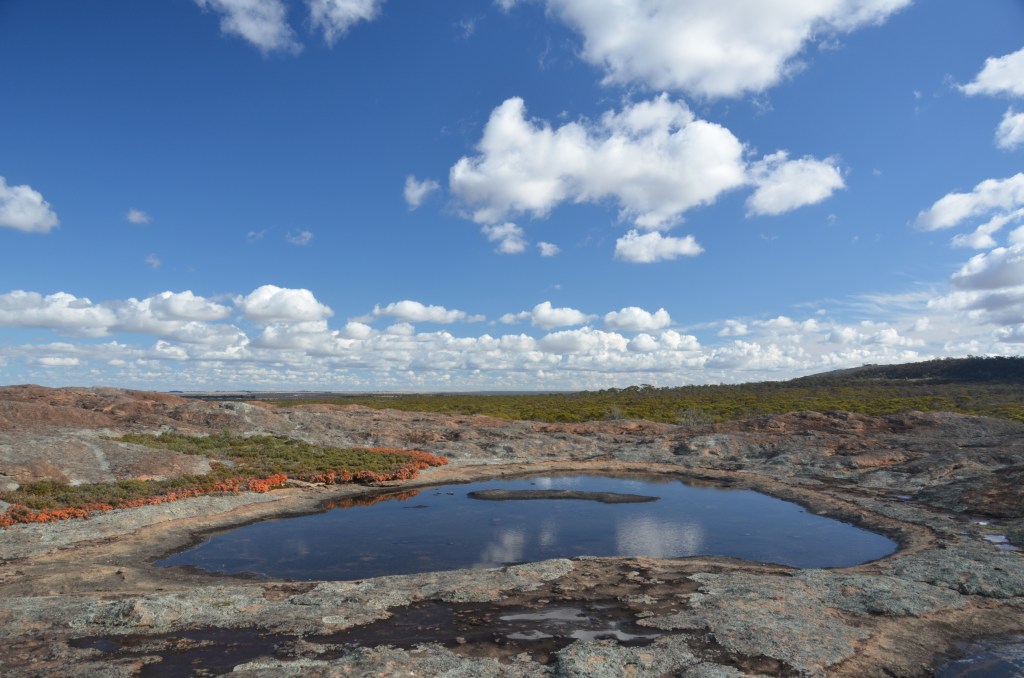
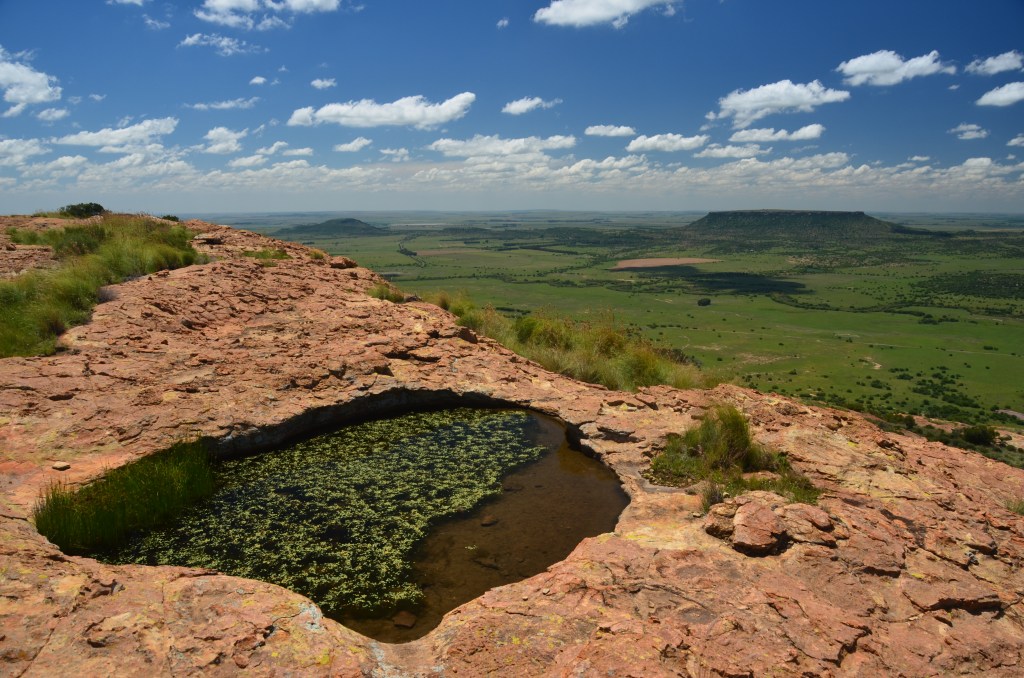
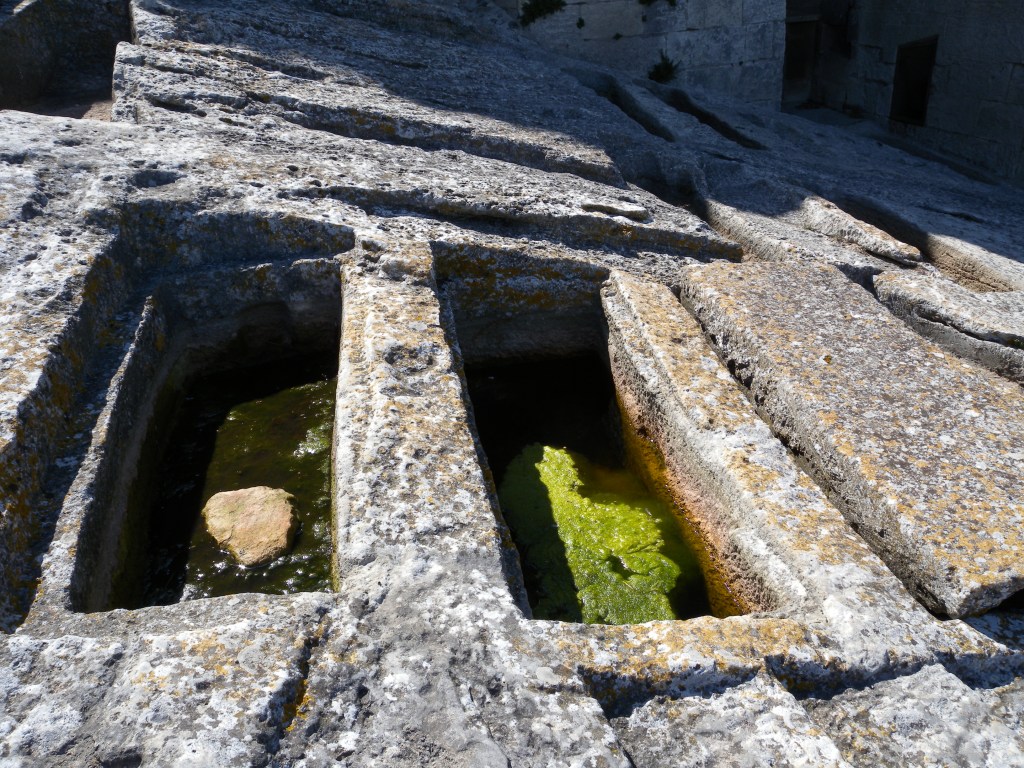
A peculiar type of temporary ponds are rock pools. These are typically of dissolutional origin and can be common in granite, gneiss, sandstone and limestone that are exposed to the elements for thousands of years. Nonetheless, they can form in other rocks too. There are also artificial rock pools made by humans such as those found in ancient tombs in France and Spain.
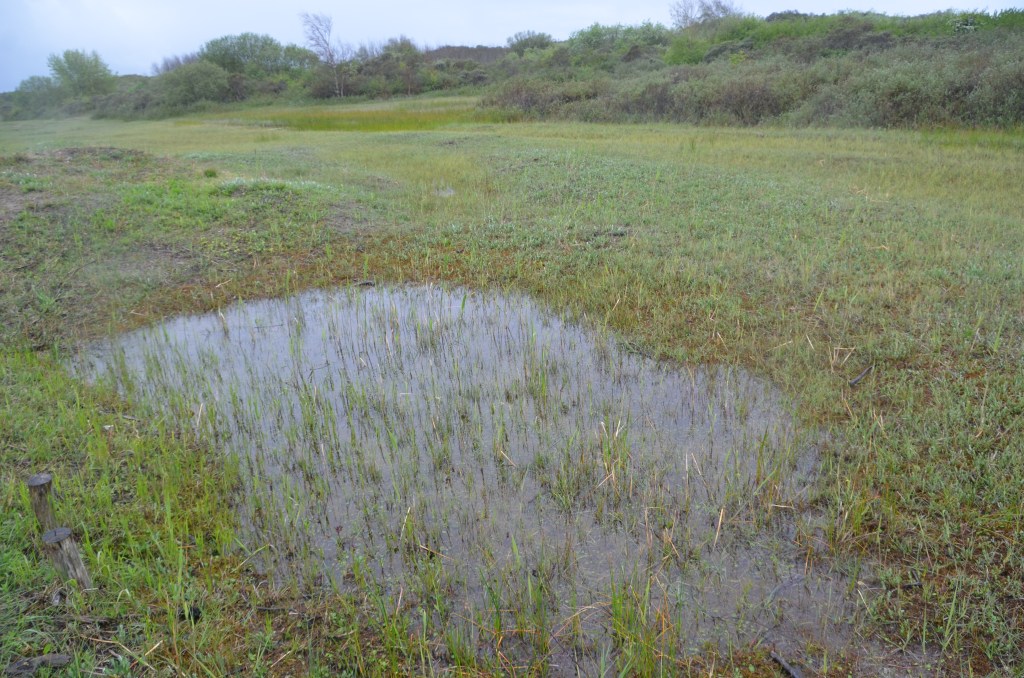
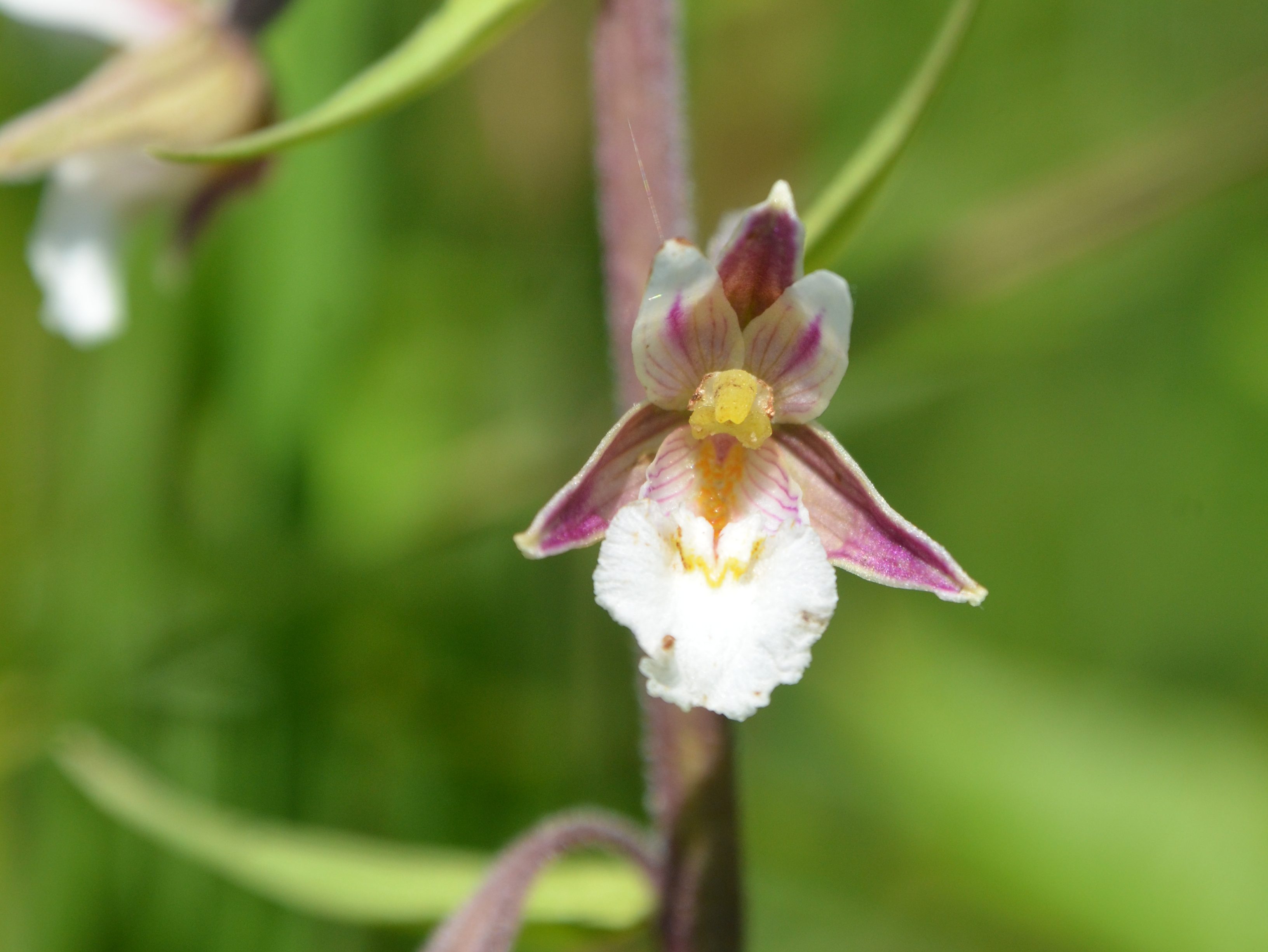
A natural process that create temporary ponds are the wind blown movement of dunes. Between dunes the groundwater table may surface and form dune pans or dune slacks. The calcium enriched water often gives rise to specific plant communities including several orchids while young dune pans are attractive breeding habitats for amphibians that like pioneer habitat such as natterjack toads.
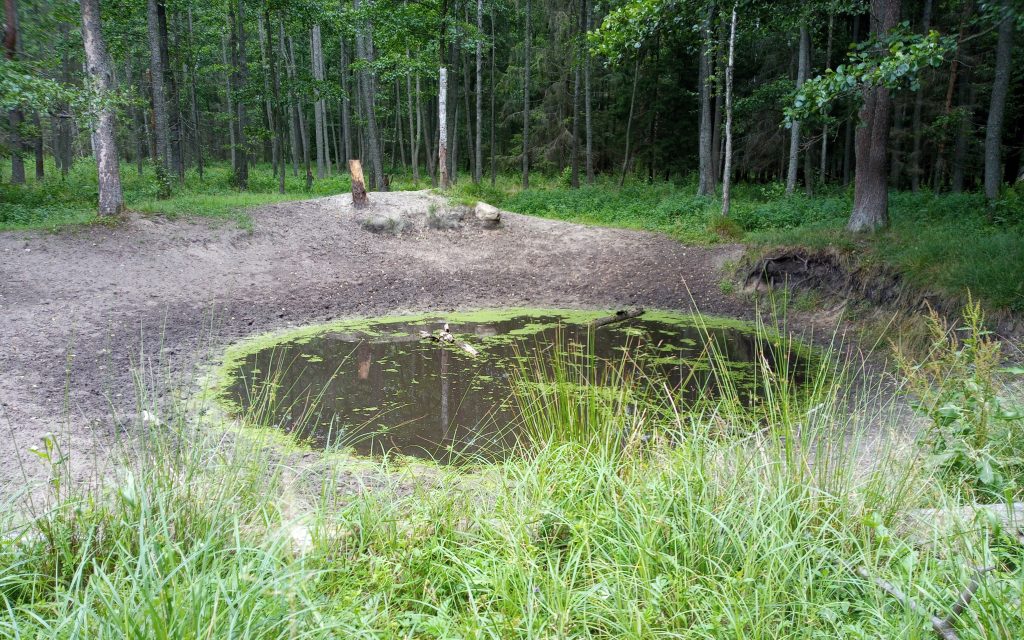
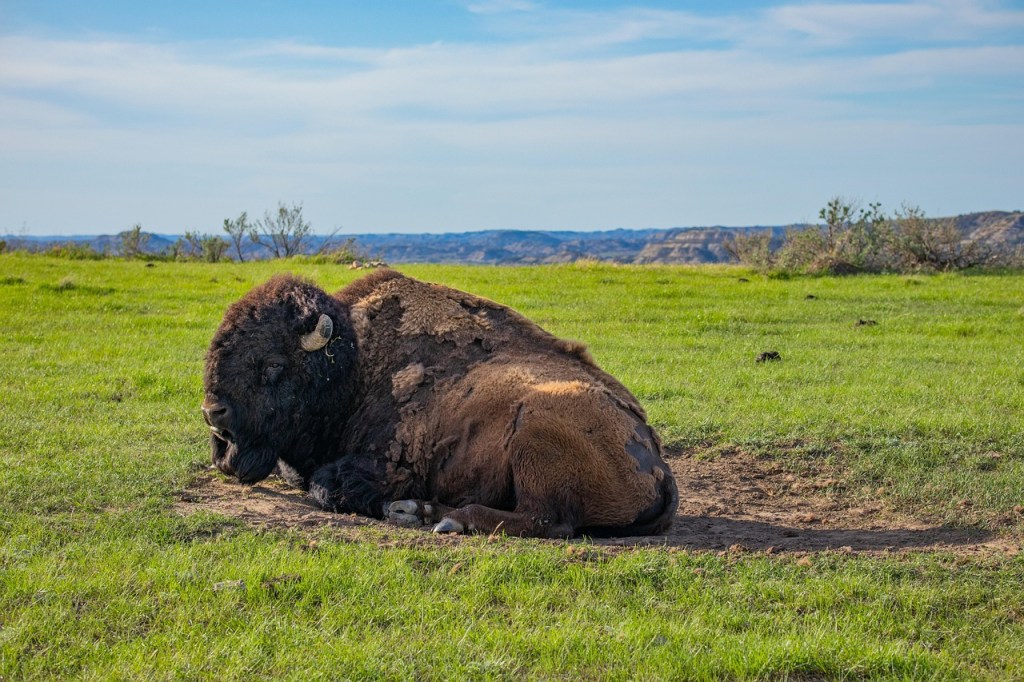
Some temporary ponds are made by large herbivores such as wild boars, bison, buffalo and elephants.
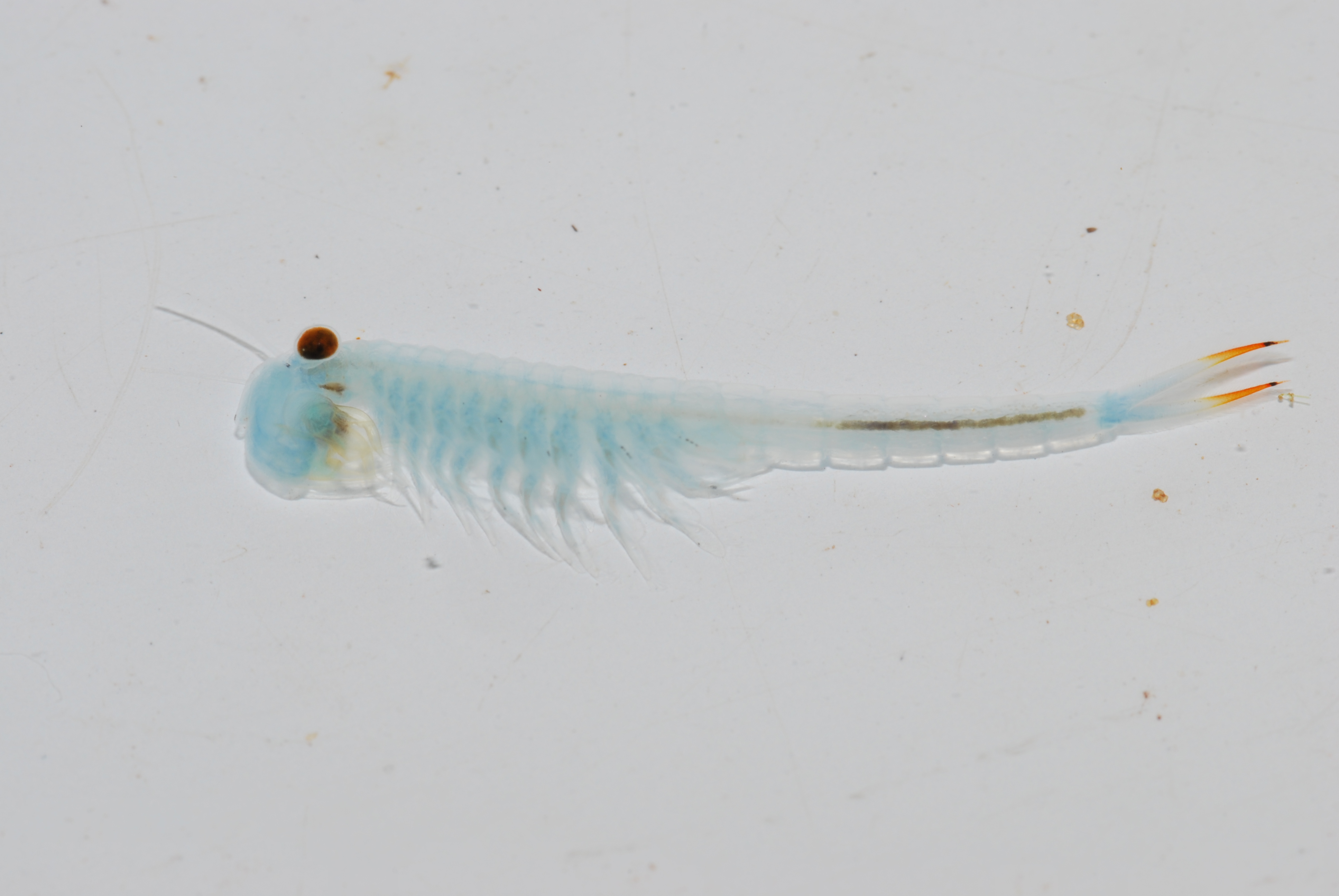
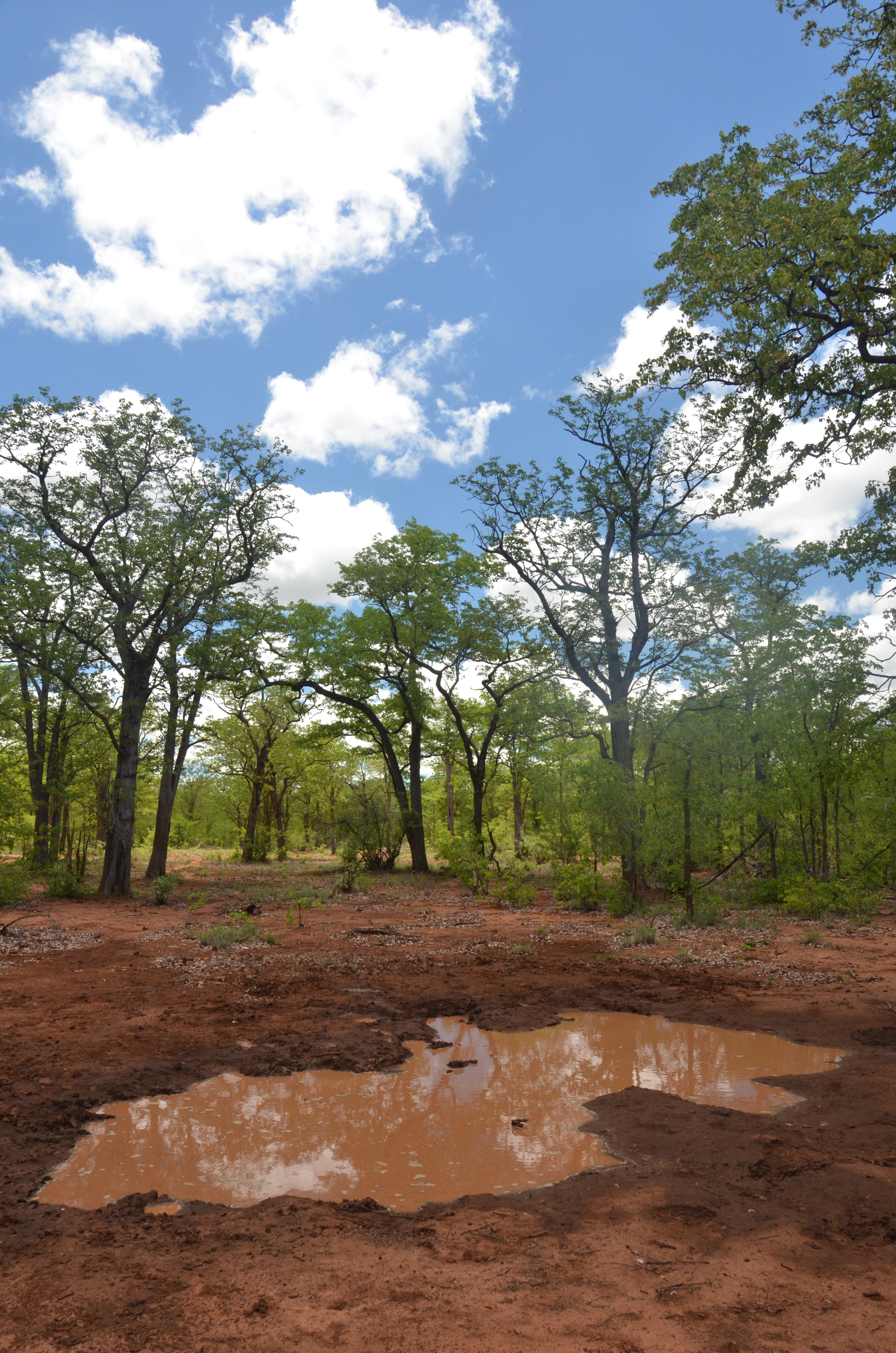
Below are some of the organisms found in mammal wallows in Zimbabwe. Two colourful fairy shrimps: Streptocephalus trifidus and Branchinella ondonguae.

A lot of ponds are formed due to glacial processes including a lot of temporary ponds. A typical example or kettle holes or dead ice holes. After glaciers retreat, big chunks of ice may be left behind that after melting transform into little ponds.
 Temporary Ponds